What You'll Need
So you started using slow-drying acrylic mediums or oil paints, and you hit the same problem I did: where do you put wet paintings so they can dry without getting wrecked? Stacking them flat means dust, dirt, or sticking. Laying them around the house invites accidents.
I found a cheap fix: a small drying rack.
But the first one I grabbed wasn't much. It was a plastic DVD or CD holder from a thrift shop—cost me about five bucks. Worked okay, but it only held 5x7 inch canvas panels. That got old fast.
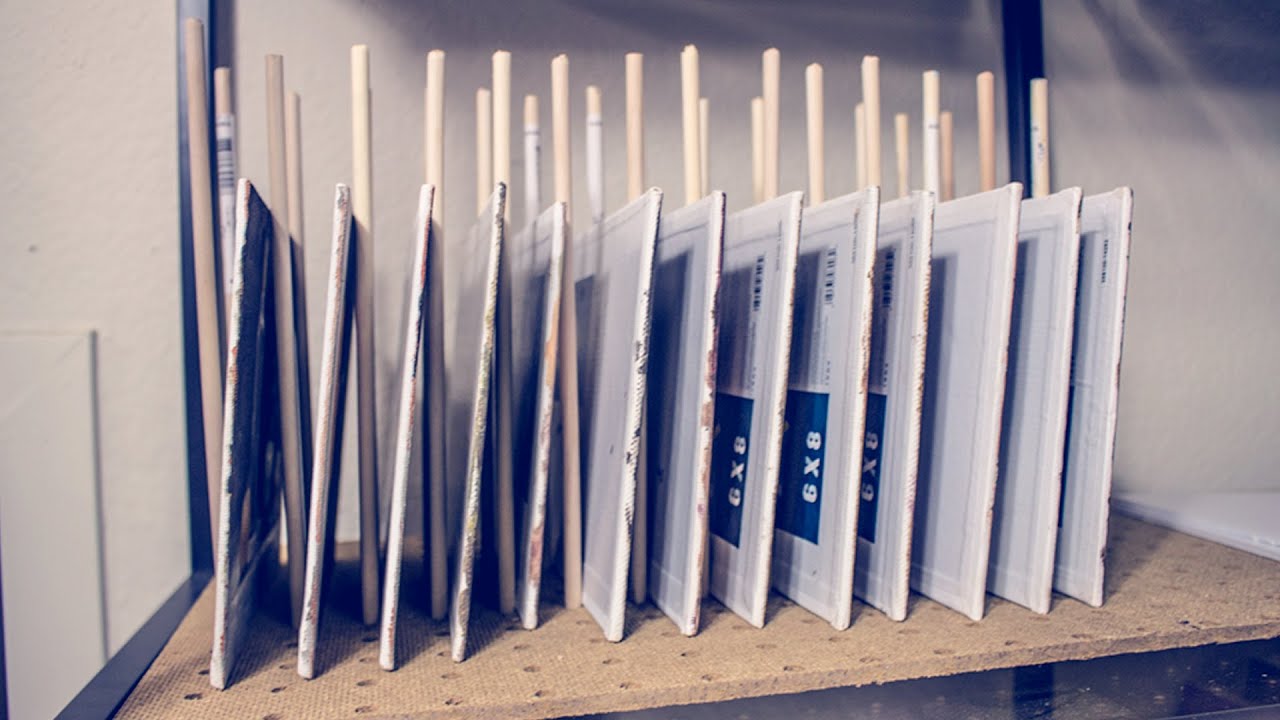
So I built my own. Cost me way less than buying one, and it took maybe an hour.
- Pegboard (get it cut to size at the hardware store—most will do it for free or cheap)
- Wooden dowels (same diameter as the pegboard holes—usually 1/4 inch)
- Hot glue gun (optional, for loose dowels)
- Saw (to cut dowels to length)
Step-by-Step
- Get your pegboard cut. Head to a hardware store and ask them to cut a sheet to the dimensions you want. I went with something that fits on my workbench—about 2 feet by 3 feet works for most studio spaces.
- Cut the dowels. Measure the depth you need—enough to hold a canvas panel or stretched canvas without it falling through. I cut mine about 6 inches long. You'll need a bunch, spaced every few inches across the board.
- Insert the dowels. Push them into the pegboard holes. If they're loose, a dab of hot glue on the back side keeps them in place. Don't glue them all—just the ones that wiggle.
- Let your paintings dry vertically. Slide your wet canvas or panel between the dowels. They won't touch each other, and dust falls off instead of settling on the paint.
Why This Works
Storing paintings vertically instead of flat keeps dirt and dust off the wet surface. Plus, air circulates better, so drying is more even. And it's cheap—pegboard and dowels run you maybe $10-15 total.
If you've got a better idea, drop it in the comments. I'm always looking for smarter ways to keep my work from getting ruined.