Raising backyard chickens has become increasingly popular for people seeking greater self-sufficiency, access to fresh eggs, and a more sustainable way of living. However, many beginners hesitate at first due to concerns about setup costs, space requirements, and daily maintenance. Understanding how to properly design a chicken enclosure, manage feeding routines, and create a safe environment can make the entire process much more approachable.
This guide explains practical methods for setting up a chicken coop system, including housing options, space planning, flock management, feeding strategies, and long-term care considerations.
Choosing Between Buying and Building a Chicken Coop
One of the first decisions in raising chickens is whether to purchase a pre-built enclosure or construct one from scratch. Both options can work depending on budget, time availability, and long-term goals.
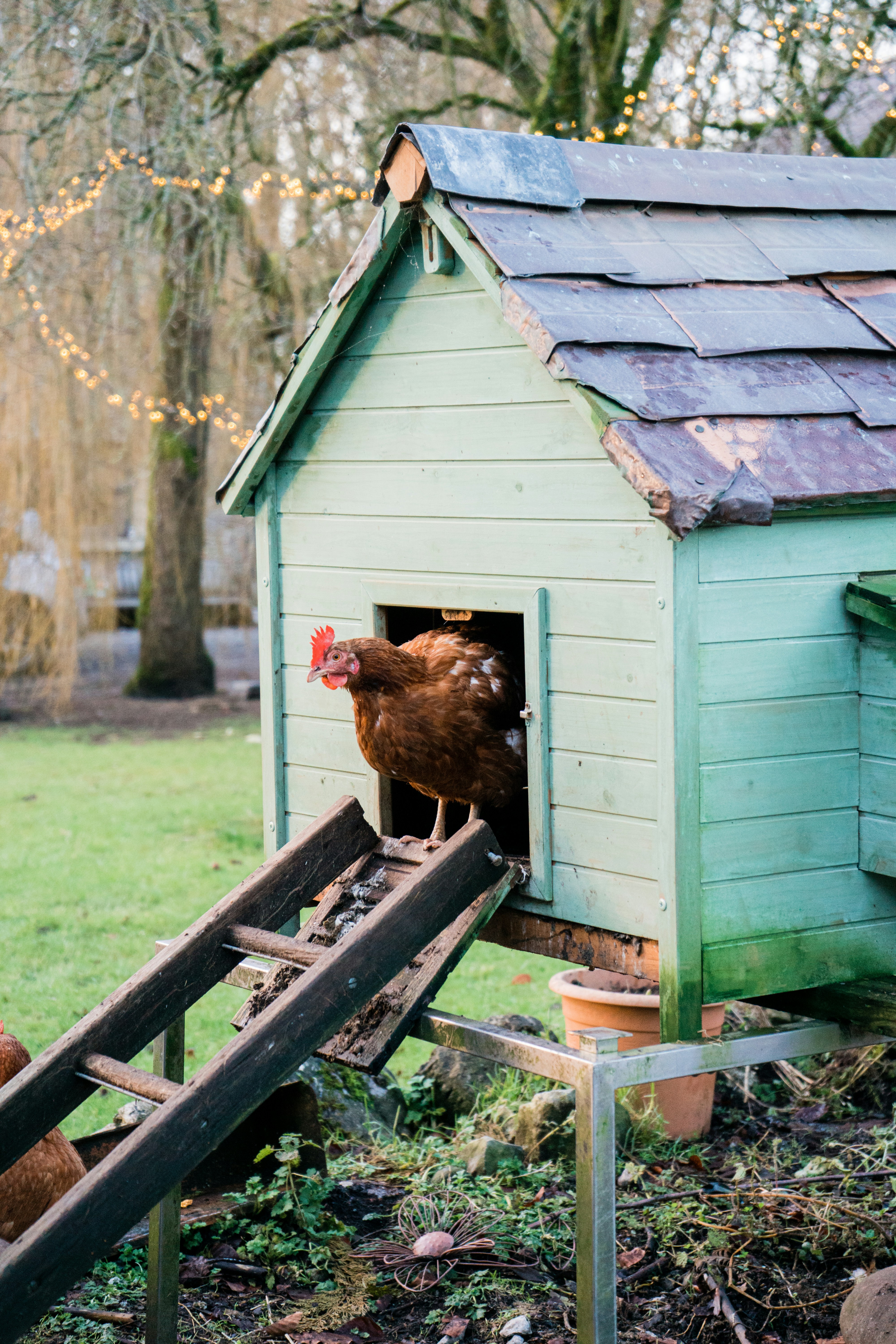
Pre-built coops offer convenience and quick setup. They are typically designed for immediate use and include basic features such as nesting boxes and enclosed runs. However, they can be more expensive and may offer limited flexibility in size or layout.
On the other hand, using alternative structures such as repurposed enclosures or modular metal frames can be a cost-effective solution. These setups are often adaptable, allowing expansion or modification depending on flock size.
Key considerations when choosing a coop system include:
- Budget and material cost
- Number of chickens being raised
- Available outdoor space
- Predator protection requirements
- Flexibility for future expansion
Understanding Space Requirements for Chickens
Providing adequate space is essential for maintaining healthy and stress-free chickens. Space needs vary depending on whether chickens are fully confined, partially free-ranged, or fully free-ranged.
General guidelines include:
- Fully enclosed coop: approximately 2–6 square feet per bird (temporary confinement)
- Coop with regular free-ranging: moderate indoor space with outdoor access
- Fully confined system: 10–15 square feet per bird recommended
Overcrowding can lead to stress, pecking behavior, reduced egg production, and hygiene issues. Therefore, designing the enclosure with sufficient room is a critical step in planning.
Free-Range vs. Confinement Systems
Chicken keeping systems generally fall into three categories:
1. Full Confinement
Chickens remain inside the enclosure at all times. This system requires more space and careful attention to cleanliness, ventilation, and enrichment.
2. Partial Confinement with Free Range
Chickens stay inside the coop at night but are released during the day to forage. This is one of the most common and balanced approaches.
3. Full Free Range
Chickens roam freely over a larger property and return to the coop at night for protection. This reduces feed costs but requires secure nighttime housing.
Partial confinement systems are often preferred because they balance safety with natural behavior.
Site Selection and Coop Placement
Selecting the right location for a chicken coop is essential for long-term success. The site should be level, well-drained, and easily accessible.
Important factors include:
- Proximity to the home for convenience
- Distance from neighbors to reduce disturbance
- Protection from strong winds
- Adequate sunlight exposure
- Safe drainage to avoid muddy conditions
A properly chosen site simplifies maintenance and improves flock health over time.
Flock Introduction and Behavior Training
When introducing new chickens to a coop, it is important to help them recognize the enclosure as their home. Chickens that are moved from another environment may initially resist using the new structure.
A common adjustment method involves keeping chickens inside the coop for several days before allowing free-range access. This helps them:
- Learn feeding locations
- Recognize sleeping areas
- Return naturally at night
- Reduce stress during transition
Once established, chickens typically return to the coop instinctively at dusk.
Chicken Breeds and Selection Considerations
Different chicken breeds serve different purposes, especially in backyard environments. Selecting appropriate breeds depends on temperament, egg production, and environmental adaptability.
Common categories include:
- Heritage breeds: Known for strong instincts and adaptability
- High egg-laying breeds: Selected for consistent egg production
- Dual-purpose breeds: Suitable for both eggs and meat production
- Docile breeds: Recommended for families and beginners
Temperament is especially important in mixed households or when children are present.
Feeding and Nutrition Strategies
Feeding is one of the most important aspects of chicken care. A balanced diet typically consists of commercial feed supplemented with natural foraging when available.
Key feeding principles include:
- Provide consistent access to clean feed
- Adjust feeding volume based on free-ranging activity
- Supplement diet with kitchen or garden scraps when appropriate
- Ensure access to clean, fresh water at all times
Chickens that free-range naturally consume insects, greens, and small organisms, which reduces reliance on supplemental feed and improves overall nutrition.
Water and Hygiene Maintenance
Clean water is essential for maintaining flock health. Water containers should be checked regularly and cleaned to prevent algae buildup or contamination.
Best practices include:
- Replacing water every few days
- Cleaning containers with mild disinfectants or vinegar periodically
- Ensuring water is always accessible and not frozen or overheated
Good hygiene reduces the risk of disease and improves overall flock performance.
Deep Litter and Natural Bedding Systems
A deep litter system uses organic materials such as leaves, straw, or wood chips to create a composting floor inside the coop.
This method offers several advantages:
- Natural decomposition of waste
- Reduced odor levels
- Improved soil quality for compost use
- Less frequent cleaning requirements
Over time, chickens naturally turn the bedding, helping break down manure into usable compost material. This system also supports beneficial microbial activity, improving overall environmental balance inside the coop.
Mineral and Supplement Intake
In addition to feed, chickens benefit from access to essential minerals.
Common supplements include:
- Calcium sources (such as crushed shells or mineral supplements)
- Grit for digestion support
- Trace minerals from natural salts or mineral mixes
Calcium is especially important for strong eggshell formation, while grit helps chickens process food efficiently in their digestive system.
Egg Production and Nesting Systems
Proper nesting areas improve egg cleanliness and reduce damage. Nesting boxes should be:
- Comfortable and enclosed
- Elevated or separated from main activity areas
- Filled with soft bedding material
- Easily accessible for egg collection
Roll-away nesting systems or enclosed boxes help keep eggs cleaner by reducing direct contact with waste and movement inside the coop.
Roosters: Benefits and Considerations
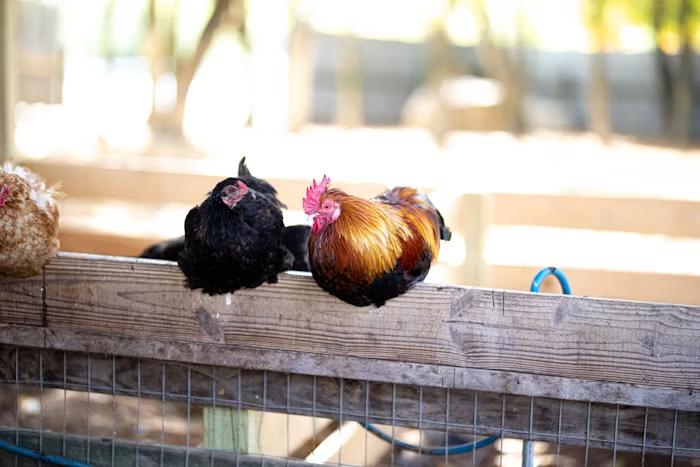
Adding a rooster to a flock is optional but can provide several functional benefits.
Roosters may:
- Alert hens to potential predators
- Help guide flock movement during foraging
- Contribute to flock reproduction
- Maintain social structure within the group
However, roosters also introduce noise considerations and may not be suitable for all residential environments. Their inclusion depends on local regulations and personal preference.
Long-Term Maintenance and Sustainability
A well-designed chicken system requires ongoing care but can remain highly sustainable over time. Regular maintenance includes:
- Cleaning water and feeding areas
- Monitoring bedding condition
- Inspecting structural integrity of the coop
- Ensuring predator protection remains secure
- Rotating bedding or compost materials as needed
When properly maintained, a backyard chicken setup can provide consistent egg production, natural soil enrichment, and a resilient small-scale food system.
Conclusion
Backyard chicken keeping is a practical and rewarding activity when supported by thoughtful planning and proper setup. By selecting an appropriate housing system, ensuring adequate space, maintaining hygiene, and providing balanced nutrition, chickens can thrive in both small and large backyard environments.
Whether using a simple enclosure, a modular setup, or a fully customized coop system, success depends on understanding chicken behavior and creating a safe, functional living environment that supports both productivity and animal welfare.
Frequently Asked Questions
1. How much space do backyard chickens need?
Space requirements vary depending on management style. Fully confined systems typically require more room per bird, while free-ranging systems reduce indoor space needs. A balanced setup usually includes both indoor shelter and outdoor run space.
2. Can chickens be kept in a small backyard?
Yes, chickens can be kept in small backyards as long as proper space allocation, ventilation, and predator protection are provided. Partial free-ranging or compact coop systems are often used in limited spaces.
3. Do chickens need a rooster to lay eggs?
No, hens do not require a rooster to lay eggs. Roosters are only necessary for fertilization and may provide additional flock protection and behavioral benefits.