What You'll Need
I hate cleaning. But I also hate spending money on cleaning products I could make myself for pennies. So I figured out the shortcuts.
If you want to make your own cleaners at home, you need three things: recipes, tools, and ingredients. Let's focus on the ingredients first, because honestly, you probably already have all of them in your kitchen.
- Dish soap (the good stuff, not the cheapest bottle)
- White vinegar (5% acidity or cleaning vinegar at 6-10%)
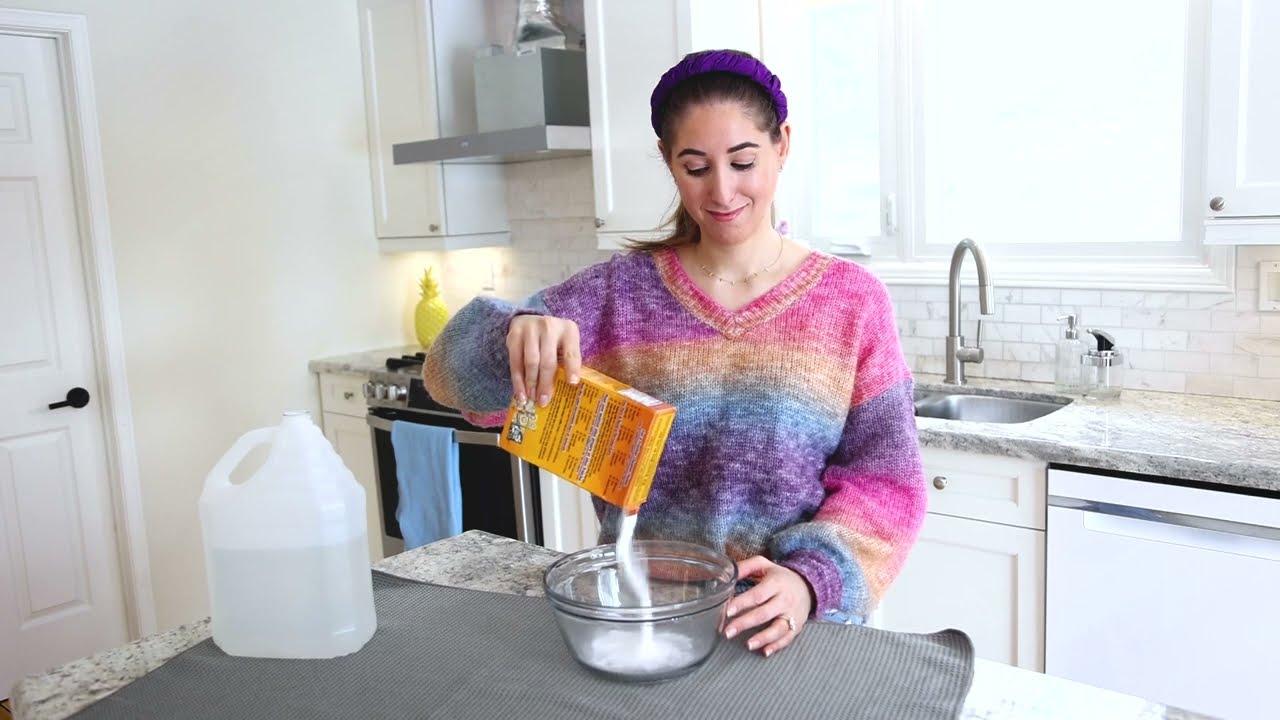
- Baking soda
- Spray bottle (a good one that won't leak)
- Microfiber cloths (quality matters here)
- Optional: hydrogen peroxide, rubbing alcohol, essential oils, corn starch, cream of tartar
The Star: Dish Soap
Not all dish soaps are the same. Get the best quality you can afford. Here's why I reach for dish soap constantly:
Dish soap is a surfactant. Its one job is to lift dirt and grease off surfaces and hold them in suspension so you can wipe them away. I mix a couple drops with water in a spray bottle and use it for countertops, floors, even stain remover on clothes.
The catch: Don't overdo it. Too much dish soap leaves residue. Most of my DIY recipes are no-rinse, but the more soap you add, the more you'll need to rinse afterward. Same goes for clothing stains — use too much and you'll be fighting to get it out.
The Workhorse: Vinegar
You've got two options here. Plain white vinegar (5% acetic acid) from the grocery store, or cleaning vinegar (6-10% acetic acid) which comes in smaller bottles and is more concentrated. If you go with cleaning vinegar, wear gloves and eye protection.
Vinegar does three things: degrease, descale, and deodorize. Hard water buildup in the bathroom or kitchen? Vinegar. Greasy glass surface? Vinegar and water for windows and mirrors. Sometimes I use it straight.
The smell thing: Yeah, it's strong. But here's the weird part — vinegar actually neutralizes odors. Pour some in a bowl and leave it in a corner, or dump it in the bottom of your garbage can or compost bin. Let it sit, rinse it out, and the smell goes away.
What not to do with vinegar:
- Don't use it on natural stone. It's an acid and will damage the surface.
- Don't mix it with bleach. You can hurt yourself or worse.
The Rock Star: Baking Soda
Baking soda looks boring. It's cheap as nails. But it works.
It provides mild abrasion that's safe on almost anything. It deodorizes. It whitens and brightens. I use it to deodorize the fridge, scrub my sink to a perfect shine, lift crusted gunk off pots, and tackle soap scum in the bathroom.
A few things to know:
- Test on a hidden area first to make sure it won't scratch.
- Mix it on demand — don't try to store it pre-mixed. It doesn't hold up.
- Don't mix baking soda and vinegar together for cleaning. Everyone talks about how great they are together, but they neutralize each other. That's why you get the fizz. Clean with one, then the other. Not at the same time.
Don't Forget Good Tools
Making your own products is one thing. Using them with garbage tools is another. I've wasted so much time compensating for crappy spray bottles and cheap microfiber cloths.
Get a good spray bottle. One that doesn't leak, won't break, and will last through hundreds of uses.
Get quality brushes. That toothbrush from your dentist? It's good enough for your teeth, so it's good enough for your toilet grout.
Spend money on microfiber cloths. I know the dollar store has a 10-pack for $3. I've tested them. They don't clean as well. Get the premium ones, wash them, use them hundreds of times.
The Math
Do the back-of-the-napkin math on how much you spend on random cleaning products every month. It adds up fast. Making your own saves real money.
One thing I won't DIY? Laundry detergent. I want clean clothes, and I have a brand I trust. That's my line.