How to Build a Vertical Perfume Blend (And Why Ratios Matter More Than You Think)
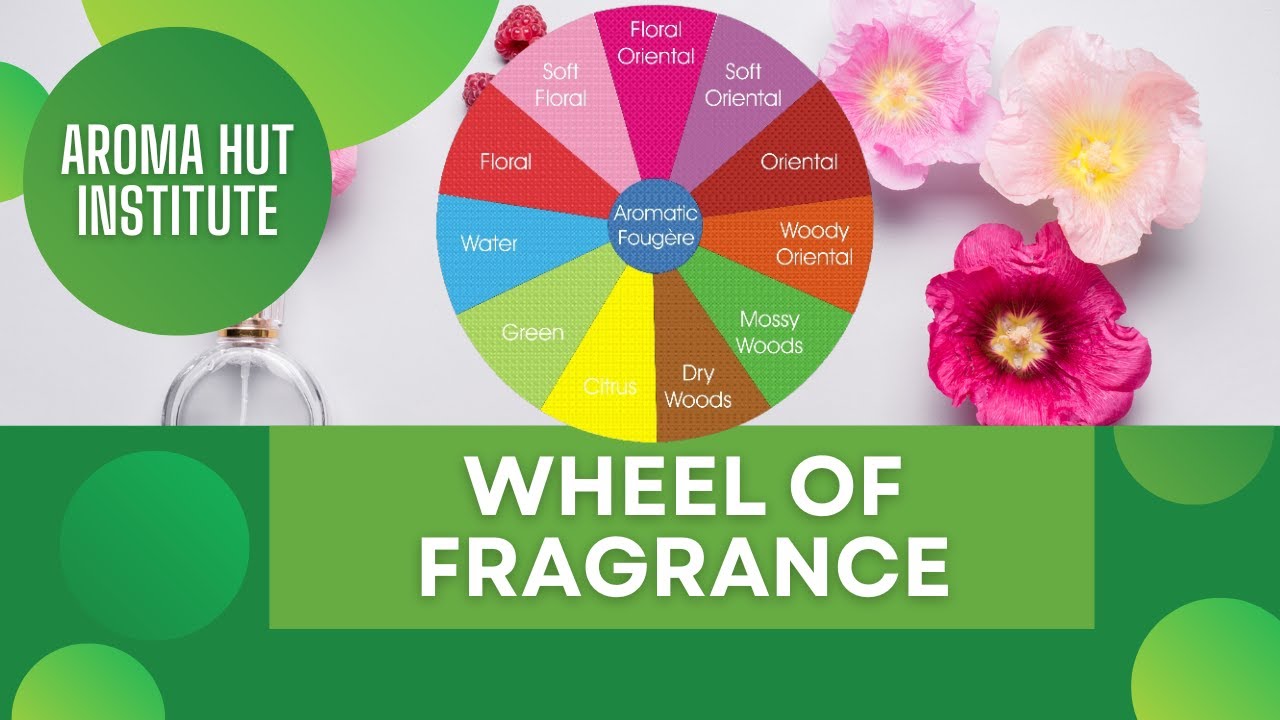
If you've been digging into perfume-making books or websites, you've probably run into the "wheel of fragrance" — but finding actual info on how to use it is another story. I had the same problem when I started.
Here's the short version: essential oils fall into four main groups — fresh green, floral, oriental, and woody. Within those, there are 14 smaller families. This system was put together by Michael Edwards in his book Fragrances of the World, and it shows how each family connects to the next. That connection is what helps you figure out which oils blend well together.
In my last video, I talked about vertical accords. Some of you hadn't heard of that term, so let me show you what it means by actually making a few blends.
What You'll Need
- Shot glasses (I got a pack of six from Old Time Pottery)
- Pipettes
- Perfume testing strips
- A carrier like jojoba oil or alcohol (for the final dilution)
- Your chosen essential oils
Step-by-Step: Making a Woody Vertical Accord
I grabbed the woody category from the chart in Natural Perfume with a Sensual (chapter 8, page 136 if you're following along). For this blend, I picked:
- Top note: Basil
- Middle note: Black pepper
- Base note: Sandalwood
I made three versions with different ratios to see which one I liked best.
Ratio 1: 6-4-2 (Blending by Note)
This is the standard therapeutic blending ratio — 6 drops top note, 4 drops middle, 2 drops base.
I put 2 drops sandalwood in the shot glass first, then 4 drops black pepper, then 6 drops basil. Stirred it up, put a couple drops on a testing strip.
Wow. That's powerful. Basil is intense. This would make a nice men's fragrance, honestly.
Ratio 2: 40-30-30
This one uses 4 drops basil, 3 drops black pepper, 3 drops sandalwood.
Same scent family, but more subtle. The basil isn't running the show anymore — everything balances out.
Ratio 3: 60-30-10
6 drops basil, 3 drops black pepper, 1 drop sandalwood.
The color was different because the consistency changed. It smelled good, but the basil was way too dominant.
Which One Won?
I let all three dry down on testing strips and compared them. The difference just a few drops makes is wild — you can see it in the color and smell it in the nuances.
The 6-4-2 was a nice soft balance. The 60-30-10 was too much basil. But the 40-30-30 was the winner for me — great woody note with enough presence from each oil.
I took that ratio and diluted it in jojoba oil (you can use alcohol if you prefer) in a 5ml bottle. I labeled it "Woody Basil" and set it aside as one of my accords.
You could swap the basil for a citrus top note if you wanted something different. I went with basil because I was aiming for a men's fragrance, but there are endless combinations to try.
The point is — don't lock yourself into one ratio. Make a few versions and see what your nose actually likes.