Introduction
As warmer months approach, neglected patios require rejuvenation to become inviting outdoor retreats. Winter weather leaves outdoor spaces accumulating debris, faded furnishings, and wilted vegetation. Rather than accepting worn appearances, homeowners can reclaim their sanctuaries through thoughtful design and strategic improvements. This guide explores transforming a patio into an inviting European-inspired space suitable for relaxation throughout spring and summer.
Initial Assessment and Cleaning
Thorough cleaning establishes the foundation for any successful transformation. Winter months accumulate fallen leaves, pollen deposits, and various outdoor debris requiring systematic removal.
Debris Removal
Furniture and Cushion Care
Professional Power Washing
Developing Design Direction
Establishing cohesive visual direction before purchasing plants or decor guides all subsequent decisions. Contemporary outdoor design increasingly favors layered botanical approaches with calming color palettes.
Color Palette Selection
Whites, purples, and varied greens create serene atmospheres suitable for hot climates. Subtle flower pops add visual interest without overwhelming tranquility. European courtyard aesthetics emphasize abundant greenery, varied textures, collected vintage elements, and whimsical details suggesting history and comfort.
Incorporating Vegetation
Plants represent the most transformative design elements. Strategic greenery addition creates dramatic impact on outdoor space perception.
Culinary Herb Gardens
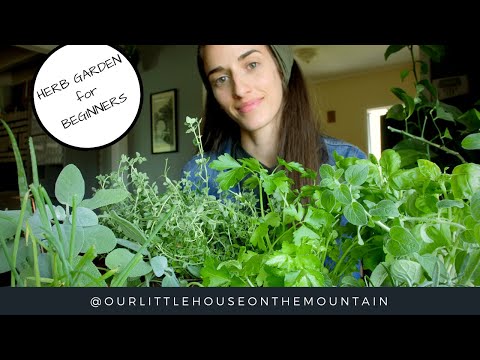
Container herb gardening offers aesthetic and practical benefits. Convenient kitchen-door access encourages regular harvesting. Thyme, basil, sage, dill, and mint thrive in container settings. Proper soil selection proves critical—potting mixes formulated specifically for containers hold moisture more effectively than standard garden soil. Biotone amendments provide initial nutrition while stimulating root development.
Annual and Perennial Selections
Annual flowers bloom consistently throughout seasons, providing reliable color appeal. Cohesive color palettes—such as whites and purples with subtle pink accents—create visual harmony. Avoiding colors that clash with existing architecture prevents jarring visual contradictions. Yellow flowers against yellow-toned siding may create unflattering color casts.
Container and Arrangement Strategy
Mixing material types—terracotta, concrete, ceramic—creates collected, intentional styling. Varied vessel sizes prevent monotonous repetition. Grouping plants in arrangements of varying heights creates dynamic compositions engaging viewers more effectively. Trailing vines in elevated containers add vertical dimension while breaking up expansive empty walls.
Styling and Decorative Enhancements
Functional Decor Elements
Stylish doormats establish welcoming entryways while serving protective functions. Throw pillows in coordinated fabrics add comfort while establishing design cohesion. Gingham patterns, floral prints, and scalloped edges introduce cottage-inspired details. Removing vendor tags ensures polished presentation. Trays styled with fresh flowers, refreshments, and homegrown herbs create inviting focal points encouraging relaxation.
DIY Personal Touches
Command hooks attached to baskets create vertical storage solutions. Hanging sea lavender bunches provide soft, romantic elements while naturally drying in place. Metal herb labels stamped with individual letters identify plantings while reinforcing garden aesthetics. Copper materials develop patinas enhancing cottage-garden charm. Wall-mounted plant displays showcase trailing vines while addressing vertical empty spaces, demonstrating creative resourcefulness.
Whimsical Accents
Cast iron garden figurines such as butterflies and ladybugs introduce playful touches appealing to both adults and children. Nestling collectibles among plantings creates delightful discoveries. Succulent baskets combining living plants with dried florals provide year-round textural variety.
Color Harmony and Maintenance
Successful color schemes avoid conflicting tones with surrounding architecture. Maintaining consistent color direction throughout styling choices—from pillows to decorative accents—establishes cohesion elevating entire outdoor environments. Regular watering schedules, monitoring moisture levels daily, and removing spent blooms encourage continued flowering throughout seasons.
Common Questions
Conclusion
Patio transformation requires commitment to thorough cleaning, intentional design, and strategic plant and decor selection. Beginning with comprehensive surface preparation establishes fresh foundations. Developing cohesive aesthetic directions guides all subsequent choices, ensuring visual harmony.
Incorporating layered vegetation creates naturally inviting environments. Carefully selected decorative details personalize spaces while expressing individual style. By investing time in thoughtful styling, homeowners can transform neglected patios into beautiful outdoor retreats providing genuine enjoyment throughout seasons.