What You'll Need
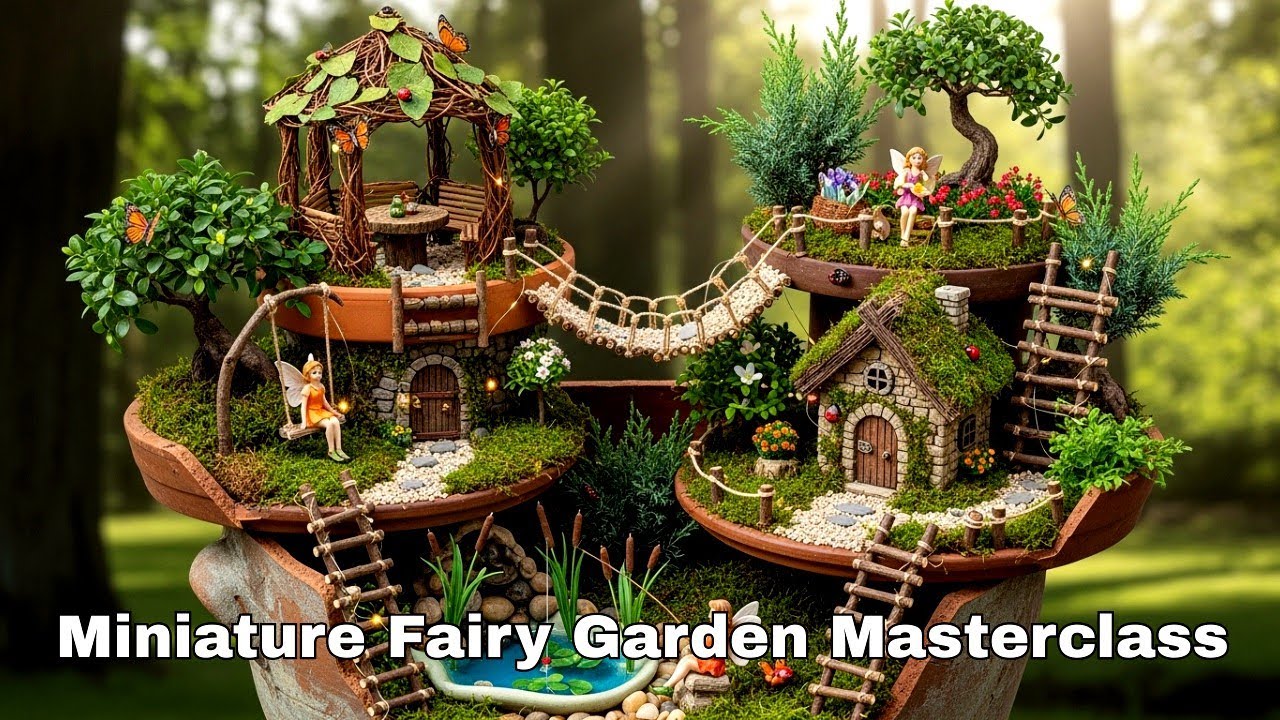
You know those cracked clay pots sitting in your garage? Don't toss them. They're the perfect starting point for a multi-level fairy garden that looks like a tiny village built into a cliffside.
- Large clay pot (any size you want to work with)
- Box cutter
- Hammer
- Potting soil
- Small succulents or thyme
- Miniature fairy houses, gnomes, or figurines
- Gravel or sand for paths
Step-by-Step Guide
1. Break the Pot on Purpose
Draw a line where you want the pot to break. Score it with a box cutter along that line, then tap it gently with a hammer until it cracks. Don't throw away the broken pieces — those become your walls and mini terraces.
2. Build the Foundation
Fill the bottom of the pot with potting soil. Use the broken shards to create levels, stacking them like stairs. Each level needs to be wide enough for small plants and miniatures. Keep stacking until you've got a stable, tiered landscape.
3. Pick the Right Plants
Choose slow-growing, small-leaf plants. Succulents work great. So does thyme. Let some vines trail over the edges of the pots — it softens everything and gives that fantasy feel. If you want each level to look distinct, use different colors of succulents.
4. Plant and Secure
Plant on each terrace. Firm the soil down to keep the broken pot pieces in place. This is important — loose shards will shift and mess up your layout.
5. Add the Fun Stuff
Once the structure and plants are solid, add accessories. Miniature fairy houses, gnomes, small bridges, animal figurines — whatever fits your theme. Pick one: gnome village, forest scene, Alice in Wonderland. Multi-level designs from broken pots give you room to show off a collection.
6. Make a Path
Don't skip this step. A gravel or sand path makes the garden feel lived-in. Flat stones, aquarium gravel, or decorative rocks all work. White pebbles give a clean look around stepping stones. Black pebbles under lanterns add drama.
Building the Fairy House
The fairy house itself can come from stuff you'd normally throw away.
Grab an old wooden box for the base. Use ice cream scoops or wooden sticks for walls and roof. Hot glue everything together at each joint. Cut doors and windows from cardboard or mini plastic bottles. Paint the exterior a bright color, add glitter or beads, glue moss or small stones to the walls. Make a tiny ladder from matches. Add mini LED lights.
Place the finished house in a corner of your garden or in a large pot with succulents. Arrange sand, moss, and rocks around it to create a realistic setting.
Why Succulents Work So Well
Succulents are perfect for fairy gardens. They stay small, come in tons of colors, and barely need any care. They store water in their leaves, so you're not watering constantly. Aloe, haworthia, and echeveria have textures that make the garden look more interesting.
Use a shallow container with drainage holes. Mix sand, perlite, and potting soil for fast drainage. Add gravel to the bottom. Put the garden in bright but indirect sunlight — direct sun burns succulent leaves. Indoors, an east or south-facing window works. Outdoors, stick it under a pergola or somewhere with filtered light.
Water using the "wet then dry" method. Drench the soil until water runs out, then let it dry completely before watering again. Keep temperatures between 18-24°C. Cut back on watering during dormant seasons (summer or winter) to avoid root rot.
Choosing Miniatures That Last
Before you buy anything, pick a theme. Forest, beach, village — whatever keeps the design focused. Match the size of your miniatures to your plants. Dwarf plants, succulents, and ground covers balance the scale.
You can make your own miniatures from rocks, twigs, leaves, and flowers. Or buy them. A mix of both looks personal but polished.
Not all materials hold up outdoors. Thick wood and resin can last up to 10 years. Popsicle sticks warp from water and sunlight. Metal corrodes. Resin fades over time. Use waterproof glue or twine to keep joints secure. Painted rocks without a protective coating can last for years.
Arrange accessories like you're setting up rooms in a dollhouse. Place the path first, then plants, then figurines. Add pebbles, shells, sea glass, pine cones, acorns, twigs, or bark as natural accents.
Building a Stone Path
Paths make the garden feel maintained. Use flat stones, tiles, or cover dirt with small pebbles. Here's how to do it right:
- Create edging — Use rocks, wood, or plastic to mark the path area.
- Fill with sand — Pour sand inside the boundary and tamp it down with a small piece of wood.
- Install stones — Arrange flat stones on top. Fill gaps with mini path mix. Smooth it out and brush off excess.
- Spray with water — Spray several times a day. The mix hardens in 2-3 days.
- Add plants along the edge — Softens the lines and makes it look natural.
For a dry riverbed, lay black garden fabric on the ground and pour in fine gravel. For stepping stones, use cut wood, porcelain, or mosaic stones. Fill gaps with blue or brown pebbles for contrast. Add crystals, sea glass, or shells for a magical touch.
Seasonal Themes
Christmas — Use rosemary plants as mini Christmas trees. Wrap with red and white string. Add candy canes, beads, presents, moss, and fake snow. Add a mini train or cookie plate.
Halloween — Mini clay pumpkins with painted jack-o'-lantern faces. A vegetable basket for harvest. Tiny treats from polymer clay. A broom from twigs and dried grass. Add a pumpkin house or mini gravestone.
Spring — Succulents in diverse shapes and bright colors. Mushroom houses, flower houses, fairy or unicorn figures. Let pastel colors dominate.
Adding Lights
LED lights transform a fairy garden at night. Use warm colors (red, orange, yellow) for an energetic feel. Cool colors (blue, green, purple) create calm. Battery-powered LED fairy lights are the most practical option — they're waterproof except for the battery box, and 3A batteries last months.
Look for lights with a 6-hour on, 18-hour off timer. Wrap them around trellises, branches, or miniature plants. Avoid moving them frequently — the thin wire damages easily.
Place lights before or after planting. Make sure batteries are easy to access. Attach the battery box to the underside of a table or hide it behind plants. Light up walkways and important areas. Don't shine lights directly into eyes — aim them at objects for dramatic effect. Choose lights rated IP44 or IP65 for rain resistance.