Don't Use Mod Podge or Clear Nail Polish
I learned most of what I know about polymer clay the hard way — through trial, error, and throwing away sculptures that melted, cracked, or turned into sticky goo. Here's everything I wish someone had told me before I started.
Step away from the Mod Podge. Put the clear nail polish down. I don't care what variation you're using or how good the brand is. Neither of these materials is compatible with polymer clay. They might look fine at first, but after a while they have a chemical reaction with the clay — they get mushy, tacky, crack, and discolor. I learned this the hard way and don't have examples to show you because everything got so sticky and gross I had to throw my sculptures away.
Use polymer clay glaze or resin instead. Resin looks beautiful but it's toxic, so do your research before using it. Polymer clay glaze is safe and works great.
Watch What Plastic You Store Raw Clay In
I bought these nice clear drawers to organize my clay. Looked cute. Then the raw clay melted the plastic. I pulled out some clay one day and found sticky goo underneath the package. At first I thought my room was too hot and the clay separated. Nope — the plastic was breaking down. That melted mess is supposedly toxic. I cleaned out the drawers and now use them for other supplies. I store my clay in a regular drawer now.
This only happens with certain types of plastic. I use plastic condiment containers for some clay and have no issues. Also, this is only a problem with raw clay — baked polymer clay won't do this.
Liquid Polymer Clay Is Worth It
I used to think liquid polymer clay was just for fake icing. It's way more useful than that. I use it to soften clay that's too firm or dry, and as glue to attach pieces together. You can even bake it on its own — I do this to make miniature ice cubes. It comes in different colors but I stick with clear or translucent because they're more versatile. A little goes a long way. I've had my bottle for years.
Condition Your Clay Every Time
Yes, every single time. And yes, it can give you hand strain. Over time the ingredients in polymer clay separate, and you need to mix them back up so the clay works properly. Conditioning also removes trapped air and warms the clay up. This helps it bake evenly and prevents cracking.
Some brands take longer to condition than others. I use a small rolling pin, and for larger amounts I run it through my pasta machine a few times. If you're conditioning big batches by hand regularly, get a pasta machine. Your hands will thank you.
Dealing With Dust
Dust is every sculptor's worst enemy. Here's what helps:
- Play with a scrap piece of clay before sculpting to remove dust from your hands
- Clean your work surface and tools before starting
- If dust gets in your clay (and it will), use a Q-tip dipped in rubbing alcohol to remove it
Rubbing alcohol is flammable but you're using such a small amount that it evaporates quickly. The clay won't be wet by the time it goes in the oven.
If dust shows up after baking, you can carefully sand the area with fine sandpaper or use a craft knife. If the dust is just under the surface, try a Q-tip with acetone. But if your piece has texture or shading, those methods will ruin it. In that case, you'll have to convince yourself the dust isn't there. I'm serious — there's nothing else you can do.
Use Translucent Clay for Realistic Food
Translucent clay makes the biggest difference when sculpting food. Look at food around you — almost nothing is completely opaque. Texture and shading matter too, but translucent clay is the secret.
Bend Your Eye Pins
Eye pins will fall out of baked clay if you just stick them in raw clay. Bend the bottom of the eye pin before inserting it. That holds it in place after baking.
Use Findings That Won't Tarnish
I used silver-plated findings because they looked prettier than stainless steel. They only look pretty for so long. I use stainless steel now. Tarnish isn't permanent, but if you don't want to keep cleaning it off, go with metals that don't change color.
Silicone Molds Save Time
If you sculpt repetitive pieces, silicone molds make everything faster and more consistent. You can buy them on Etsy or make your own with silicone mold maker. Many are oven-safe, so you can bake clay directly inside them.
Save Your Clay Scraps
Don't throw away small bits of dusty clay or failed pieces. Collect them over time and you'll have enough for new projects. You can paint over recycled clay or cover it with fresh clay. I also use scraps to make molds so I don't waste new clay.
You Don't Need Fancy Tools
Sometimes tools actually get in the way. Your hands or things around the house can work better than store-bought equipment. Popsicle sticks are great for rolling out even sheets of clay.
Protect Your Work Surface
Raw polymer clay can ruin desks and tables. Use wax paper or parchment paper as disposable options. For reusable surfaces, try polymer clay baking mats, silicone mats, or ceramic tiles. Most are oven-safe too.
I used tempered glass for years until I bought a piece that wasn't tempered and bled all over the floor. I switched to ceramic tiles — they're just as smooth and easy to clean but way sturdier. Make sure you get tiles without designs or rough surfaces that could leave marks on your clay.
Surface Finish Matters
Polymer clay mimics the surface it touches while baking. Glossy surfaces like ceramic tiles make the clay shiny. Matte surfaces like parchment paper make it matte. This matters less if you're adding varnish, but the parts that don't touch the baking surface won't match.
Use an Oven Thermometer
If your oven temperature is off, get an oven thermometer. Toaster ovens almost always need one. But oven thermometers can be inaccurate too, so test yours first.
Tent Your Clay
Direct heat from oven elements can scorch or discolor clay. If this happens, make a tent from aluminum foil or thick paper large enough to cover your pieces but not touching the heating element.
Baking Clay Is Safe
Polymer clay is non-toxic. Baking it in your home oven at the correct temperature is safe, even in the same oven you use for food. It releases a stronger smell but it's not dangerous to breathe. Even a few degrees higher won't release dangerous fumes — the clay might darken slightly but that's it.
Burning happens around 350°F for most brands. That's when the clay turns black and releases strong fumes. Open windows and clean your oven afterward. If you've breathed burnt clay before, you're fine — just don't make it a habit.
You Can Bake Longer Than the Instructions Say
Polymer clay won't burn at the right temperature even after hours in the oven. Longer baking can make the clay stronger. Just know that lighter colors like white or translucent might darken slightly.
Underbaking is worse than overbaking. If you bake for less time than the package says, the clay will be brittle. Bake a little longer to be safe.
Pre-Bake and Re-Bake
Pre-baking means baking raw clay for a short time so it's firm but not fully cured. This lets you build onto it without smushing your work. Re-baking is the same thing for already-baked clay. You can do this as many times as you need.
Pre-bake and re-bake for about half or a quarter of your normal time. When you're done adding new clay, bake the whole piece following the regular instructions. Lighter colors might discolor slightly from extra baking.
You Might Be Using the Wrong Clay
Every line of clay is different, even within the same brand. Different projects need different consistencies and qualities. If your sculptures aren't turning out right, you might be using clay that doesn't match what you're making.
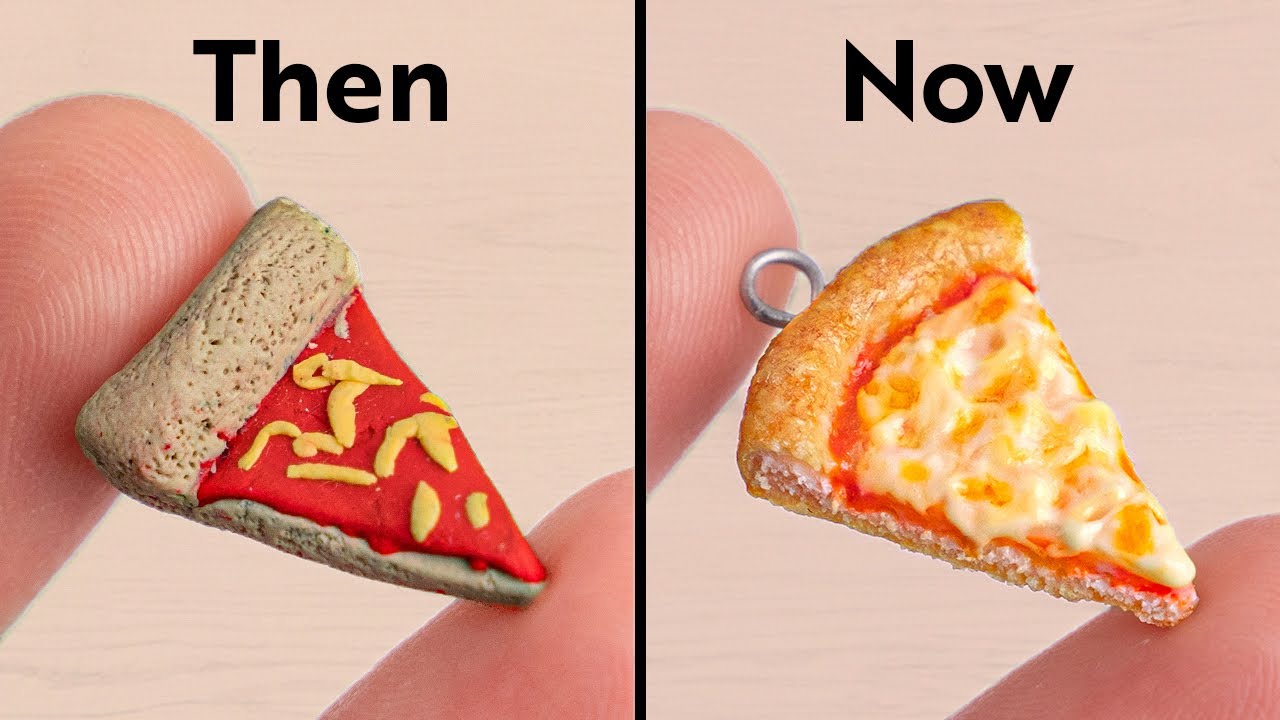
You Don't Suck — You Just Need Practice
If you're using the right clay and your sculptures still don't look right, that's okay. It's easy to compare yourself to other artists and feel bad. But you don't know how long they've been at it. Practice really is the answer.
Compare your work to your own past pieces, not other people's. Put them side by side and you'll see how much you've improved.