What You'll Need
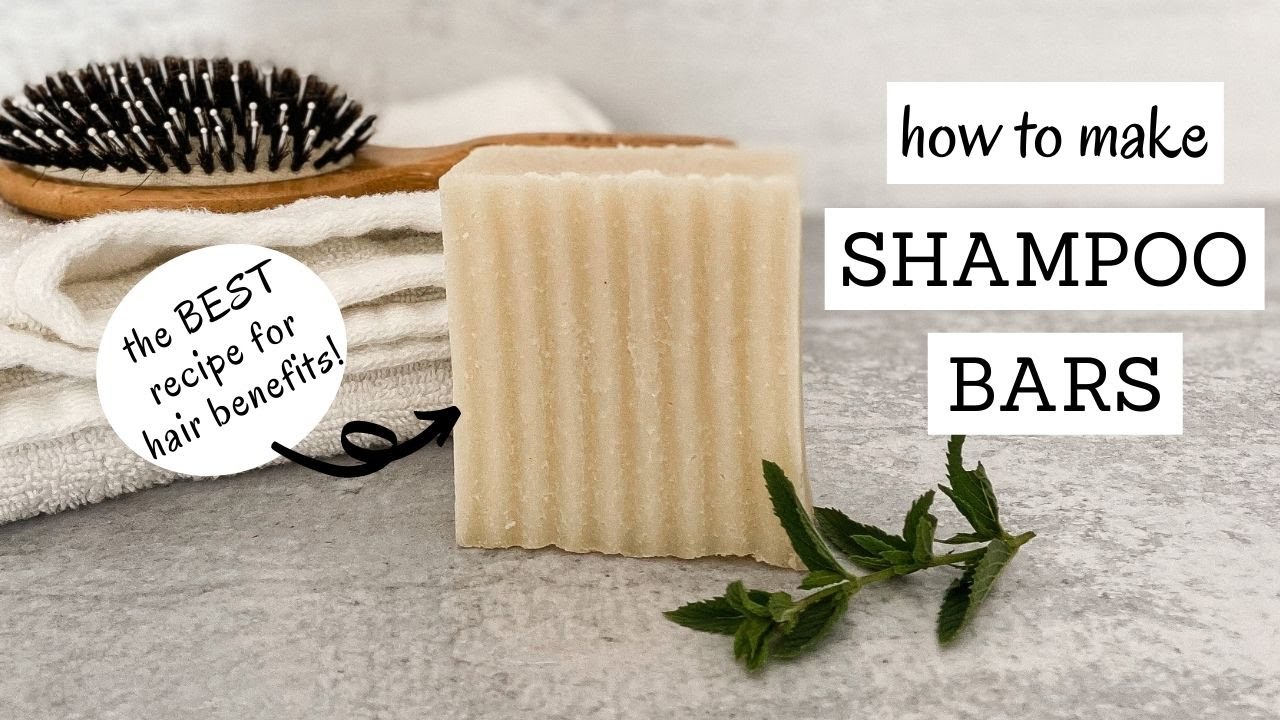
I'm Marissa from Bumblebee Apothecary, and these shampoo bars are my favorite thing for natural hair care. They're easy to make once you understand the process, and they last way longer than liquid shampoo. Here's exactly how I do it.
Equipment:
- Crock pot (low or keep-warm setting)
- Immersion blender (hand blender)
- Kitchen scale (measures in ounces)
- 2 lb silicone loaf mold
- Heat-safe container for lye water
- Tall gloves and eye protection
- Wax paper
Ingredients (for one 2 lb loaf, makes 8 bars):
- 8.89 oz coconut oil (cleansing + lather)
- 8.89 oz olive oil (creaminess + conditioning)
- 8.89 oz grass-fed tallow (hardness + nourishment)
- 5.33 oz castor oil (hair growth + gentle cleansing)
- 4.55 oz lye (sodium hydroxide)
- 12.16 oz water
- 2 tablespoons peppermint essential oil (optional, but amazing)
Step-by-Step
1. Weigh and melt your oils
Put your crock pot on low or keep-warm. Weigh each oil and add it directly to the crock pot as you go. All measurements are by weight, not volume — you need a scale for this.
Add the coconut oil, olive oil, tallow, and castor oil. Let them melt together, stirring occasionally. You want the oil temperature to reach 100°F.
2. Mix your lye water
This is the part where you need to be careful. Lye is caustic. Put on your gloves and eye protection, and go outside or to a very well-ventilated area.
You need a heat-safe container — I use a sturdy plastic bucket. Weigh out 12.16 oz of water, then weigh 4.55 oz of lye in a separate container.
Always pour the lye into the water, never the other way around. Think of it like snow falling on a lake — the lye (snow) goes into the water (lake). If you reverse it, you could get a dangerous reaction.
Pour the lye slowly into the water and stir until it dissolves. The mixture will get hot and cloudy, then clear up. Leave it outside for 10 minutes to cool down.
3. Combine oils and lye water
Once your oils are at 100°F and your lye water has cooled for 10 minutes, slowly pour the lye water into the melted oils. Stir gently.
4. Blend to trace
Use your immersion blender to mix everything together. You're aiming for "trace" — when the mixture thickens to a light pudding consistency. You should be able to drizzle some on top and see it sit on the surface before sinking back in.
This takes a few minutes with an immersion blender. If you're mixing by hand, it'll take a lot longer.
5. Add essential oils (optional)
Once you hit trace, add your essential oils. I use 2 tablespoons of peppermint for this batch size. It gives a nice cooling tingle on your scalp and smells great. Rosemary works well too, or a mix of both.
Blend for a few seconds to mix it in.
6. Pour into the mold
Pour the mixture into your silicone loaf mold. Cover with wax paper. You can wrap it in a towel if you want it to cool slowly, but it's not necessary.
7. Wait 24 hours, then slice
Leave the soap in the mold for 24 hours. Then pop it out of the mold. I like to slice the loaf in half, then each half into quarters — that gives me 8 even bars from one 2 lb mold.
8. Cure for 4-6 weeks
This is the hardest part — waiting. Put the bars in a cardboard box in a cool, dry place with good airflow. Let them cure for at least 4 weeks, but 6 weeks is ideal.
During curing, the lye finishes converting the oils into soap. If you use them too early, there could be unconverted lye left, and that can burn your skin. Don't rush this.
Why These Ingredients Work
- Coconut oil gives you that rich, bubbly lather
- Olive oil adds creaminess and conditioning
- Tallow makes the bar hard so it doesn't dissolve in the shower — plus it's great for your hair
- Castor oil helps with hair growth and gentle cleansing
Tips
- I always triple this recipe so I have plenty to give away as gifts
- You can use different molds — silicone cavity molds work fine, I just prefer loaf molds
- The bars will last way longer than liquid shampoo because they're solid and concentrated
- Store them on a soap dish that drains so they dry between uses
If you have questions, leave a comment. The full written recipe with printable card is on my website — link in the description.