Introduction
IKEA products serve as excellent foundations for creative DIY transformations, offering affordable starting materials that accept customization beautifully. This guide documents three distinct projects demonstrating how strategic modifications elevate basic IKEA components into personalized home décor pieces reflecting individual style and creativity. From window gardens to sculptural lighting, these projects showcase that intentional hacking produces unique results rivaling custom-made alternatives while maintaining budget-conscious accessibility.
Each project combines IKEA structural elements with readily available materials, producing sophisticated outcomes suggesting expensive professional design. The transformation emphasizes thoughtful modification—respecting original components while enhancing functionality or aesthetic appeal through strategic additions and creative finishing techniques. These projects prove that with imagination and patience, anyone can transform simple IKEA items into showstopping home features.
Project One: Botanical Window Art Greenhouse Box
Materials and Preparation
- IKEA greenhouse/terrarium box (available in multiple sizes)
- Window Color paint (traditional glass paint medium)
- Black outline paint or permanent marker
- Free printable design template
- Masking tape or regular tape
- Craft scissors
- Optional: glitter, pearl additives, or sparkle paints
Step-by-Step Construction
Begin by obtaining an IKEA greenhouse box in your preferred size. These boxes work wonderfully for various display preferences and available space considerations. Locate and download the corresponding design template from an inspirational blog source—these templates provide full-scale reference designs simplifying the painting process significantly. Print your chosen template at 100% original size ensuring proper fit to your specific greenhouse dimensions.
Cutting is not required for this step—the printout serves purely as a reference guide. Tape your template to the exterior greenhouse glass using small masking tape segments. This positioning allows you to trace designs while keeping interior glass surface clean. The strategy prevents paint application mistakes and ensures interior glass remains uncontaminated—critical for maintaining ability to clean exterior surfaces easily if condensation or dust accumulation occurs.
Begin painting by outlining design elements using black Window Color paint. This traditional glass-painting medium creates defined boundaries between color sections, preventing unwanted color bleeding. Apply outlines carefully with a steady hand, allowing complete overnight drying before proceeding to interior color applications. This drying period proves essential ensuring outlines cure completely before applying adjacent colors.
Apply remaining Window Color paint colors using thin layers. This thinness critically affects final appearance—delicate thin coatings allow light transmission creating luminous finished effect, while thick applications create muddy opaque results obscuring design details. Work patiently applying multiple thin coats rather than attempting single heavy application. Allow complete drying between coats—typically overnight drying ensures proper curing before color layering continues.
Final Styling
The finished painted greenhouse appears particularly striking when positioned where natural light illuminates the design. The translucent paint colors create jewel-like effects through window light interaction, suggesting expensive stained-glass artistry despite humble IKEA component origins. Once painting is complete and fully cured, assemble greenhouse according to manufacturer instructions. Position where natural light interaction showcases the painted design optimally.
This piece functions as both decorative art and functional plant display—incorporate live or faux plants adding dimensional greenery against your painted backdrop. The botanical imagery works beautifully with minimalist, modern, or nature-inspired interior décor schemes.
Project Two: Illuminated Garden Accent Table
Materials and Design Concept
- Two IKEA fabric lampshades (approximately $3.99 each)
- Rechargeable LED lights with magnetic attachment capability
- Tabletop surface (wooden tray, plate, or custom-created surface)
- Hot glue gun and glue sticks
- Remote control LED lights (preferred for convenience)
- Optional: decorative feet or stabilizing base
Assembly and Light Installation
Source two identical IKEA lampshades, selecting ones constructed from suitable fabric withstanding exposure to outdoor elements or humidity-prone environments. The lampshade fixtures themselves are unnecessary for this project but should be retained for future DIY applications or lighting projects elsewhere in your home.
Join two lampshades by gluing them together at their narrow upper openings, creating a rounded geometric form. Hot glue works adequately, though construction adhesive offers superior hold—select based on desired assembly speed and permanent installation requirements. Once joined, the shape resembles an elegant modern sculpture.
Select rechargeable LED lights, prioritizing models incorporating magnetic attachment systems. The magnetic feature proves crucial—it permits easy light removal for charging without requiring complete structure deconstruction. Position LED lights inside both lampshade halves, securing to interior rounded surfaces using provided magnets or hot glue based on preference.
Remote-controlled LED lights provide superior user experience—lighting adjustment becomes possible from seating positions without accessing interior switches. Many modern LED units feature multiple brightness levels, color temperature options, and dimming capabilities expanding functionality beyond simple on-off switching. This technology elevates the piece from simple décor to interactive ambiance control.
Create tabletop surface using wooden tray, flat plate, or custom-cut material fitting securely across the joined lampshades. Ensure surface size provides adequate stability preventing tipping or wobbling. The table height and proportions depend on lampshade dimensions—larger models create taller dining-height tables while smaller versions suit accent tables or garden sculpture applications.
Outdoor Use and Styling
Position completed table in garden settings, terraces, patios, or outdoor living spaces. The soft illumination creates ambient atmosphere suitable for outdoor entertaining, evening relaxation, or simple decorative evening interest. The piece functions simultaneously as functional lighting and sculptural garden accent. Remote operation permits convenient control from surrounding seating areas without leaving your relaxation spot.
The project particularly suits climates with extended outdoor seasons or individuals without traditional deck or patio installations seeking portable garden features. The rechargeable battery system eliminates extension cord dependence while reducing outdoor electrical infrastructure requirements. Perfect for apartments, small spaces, or temporary outdoor installations.
Project Three: Window-Mounted Tiered Plant Display System
Materials and Structural Planning
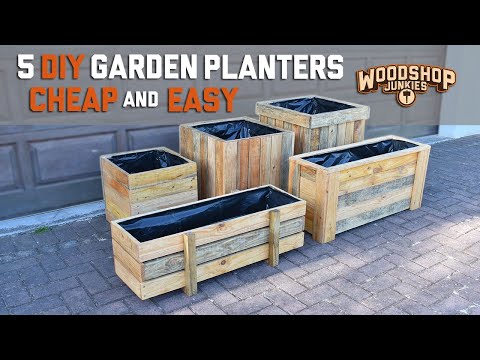
- Three IKEA wooden planter boxes (or desired quantity for window dimensions)
- Wooden support rails (appropriate length for window frame width)
- Metal corner brackets (L-shaped support brackets)
- Wood stabilizing feet or support blocks
- Gorilla Glue or construction adhesive
- Screws and corresponding drill bits
- Heavy plastic sheeting or garbage bag liners
- Staple gun and staples
- Wood stain or sealant
- Plants and potting soil
Structural Assembly Process
Select appropriate IKEA wooden planter boxes, arranging three boxes in a row spanning full window width. Most standard window installations accommodate precisely three medium-sized boxes creating continuous planting surface without gaps or excessive pressure. Measure window dimensions carefully ensuring boxes fit securely without gaps or excessive pressure against frame edges.
Create structural support using wooden rail system running behind entire box arrangement. Secure individual boxes to this central rail using construction-grade screws, creating unified structure rather than independent components. This unified assembly prevents wobbling or misalignment common with separate box installations.
Install L-shaped metal corner brackets positioned midway along the bracket height, creating support structure preventing forward tipping from weight distribution. These brackets must securely connect boxes to window frame openings. The bracket spacing and strength requirements depend on total weight—heavy planters require multiple reinforcement points. Calculate total expected weight including boxes, soil, water content, and mature plants.
Attach stabilizing feet to bottom box surface creating ground contact supporting weight independently of window frame. This weight distribution proves critical protecting window frame from bearing entire planter system weight. Position feet ensuring planter system remains stable and level across the installation.
Water Protection and Installation
Protect window facade and building exterior from water damage by installing heavy plastic sheeting inside all planter boxes. Staple plastic to box interiors creating barrier preventing soil and water leakage through drainage systems. This precaution protects building integrity while maintaining moisture control for healthy plant growth. Water damage prevention extends building longevity and prevents costly repairs later.
Carefully position assembled planter system within window frame opening using metal bracket engagement. The brackets secure system to frame while feet distribute weight through foundation/window sill. Verify stability before introducing plants and soil weight. The complete system should feel solid and immovable.
Planting and Functional Integration
Fill boxes with quality potting soil and appropriate plants based on light availability and climate conditions. The tiered arrangement creates miniature garden displaying plant variety while maximizing limited window space. The system particularly suits apartments, condos, and homes lacking outdoor garden access. Urban gardeners celebrate the opportunity to cultivate fresh herbs, edible vegetables, or ornamental plants in convenient indoor locations.
The installed planter system functions as living window art visible from both interior and exterior perspectives. Interior inhabitants enjoy fresh greenery and potential edible herbs or vegetables cultivated in convenient kitchen-window location. Exterior passersby view flourishing window garden adding neighborhood aesthetic appeal and green infrastructure contribution.
Customization and Seasonal Adaptations
This system framework accommodates numerous modifications based on individual needs. Window size variations support single, dual, or multiple box installations. Seasonal planting enables spring flower displays, summer herb gardens, fall decorative arrangements, and winter evergreen installations. The removable framework permits summer removal during extreme heat preventing box warping or damage, with reinstatement for autumn and winter seasons. Change your planting selections monthly, seasonally, or based on current inspiration and available plant inventory.
Conclusion
IKEA products serve as excellent starting materials for creative modifications yielding unique personalized pieces reflecting individual vision and style. These three projects demonstrate that strategic hacking produces distinctive results while maintaining budget consciousness and simplicity. Understanding IKEA's modular design philosophy enables infinite customization possibilities limited primarily by creative imagination. Whether transforming basic components into botanical displays, functional lighting, or productive gardens, these projects celebrate DIY creativity and personal expression within accessible, affordable frameworks.
The beauty of IKEA hacking lies in its flexibility—beginners and experienced crafters alike can tackle these projects successfully. Each transformation teaches fundamental design principles applicable to countless future projects. With modest material investment, basic tools, and thoughtful execution, anyone creates beautiful home features celebrating personal style while remaining environmentally conscious through strategic material reuse and repurposing.