What You'll Need
Of course! Here is the DIY tutorial based on the provided transcript.
# How to Create a Stunning Resin Art Piece
Welcome, art lovers! This tutorial will guide you through creating your own beautiful, abstract resin art piece. While the original content was a visual demonstration, I’ve broken down the process into a clear, actionable guide for beginners. Let's get started.
- Materials:
- Epoxy resin and hardener (1:1 ratio kit recommended)
- Pigments (alcohol inks, resin dyes, or mica powders)
- Silicone mixing cups (several sizes)
- Stirring sticks (wooden or plastic)
- A canvas or wooden panel (sealed with gesso or primer)
- Disposable gloves (nitrile)
- Drop cloth or plastic sheeting
- Heat gun or torch (for removing bubbles)
- Level surface
- Tools:
- Measuring scale (for precise resin/hardener ratio)
- Timer
- Small plastic cups for pigment mixing
- Toothpicks or skewers (for detail work)
- Isopropyl alcohol (for cleanup and creating cell effects)
Step-by-Step Guide
Step 1: Prepare Your Workspace

Lay down a drop cloth or plastic sheeting to protect your surface. Ensure your workspace is well-ventilated, dust-free, and at a stable temperature (ideally 70-75°F or 21-24°C). Put on your disposable gloves.
Step 2: Mix the Resin Base
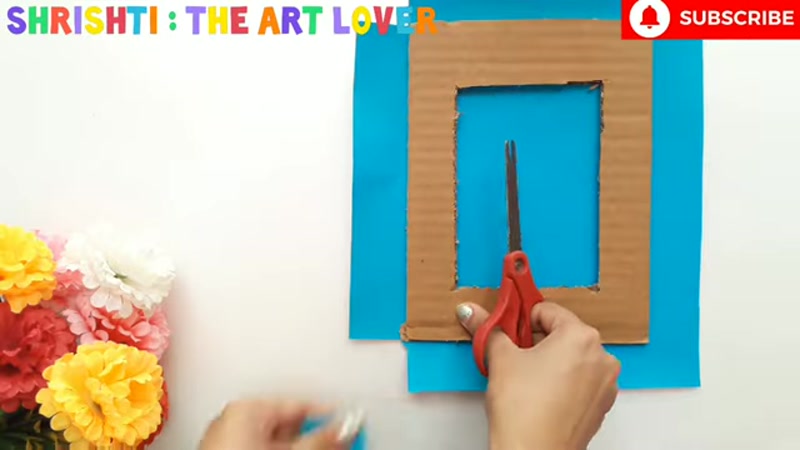
Follow your resin kit's instructions carefully. Typically, you'll mix equal parts resin and hardener by volume or weight. Pour the resin into a clean silicone cup, then add the hardener. Stir slowly and thoroughly for at least 2-3 minutes, scraping the sides and bottom of the cup. Do not whip air into the mixture.
Step 3: Prepare Your Colors
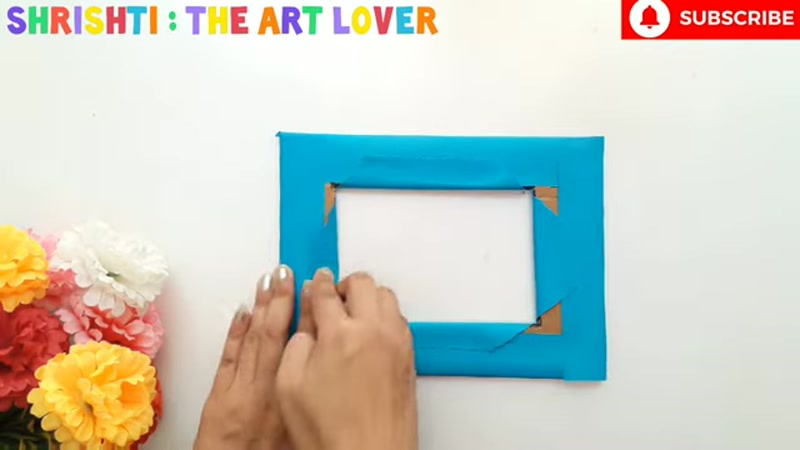
Divide the mixed resin into separate small cups, one for each color you plan to use. Add a small amount of pigment to each cup. Use a toothpick to stir until the color is fully incorporated. Start with a tiny amount of pigment—you can always add more, but you can't take it away.
Step 4: Pour the Base Layer

Pour a thin, even layer of the clear (unpigmented) resin onto your canvas or panel. This base coat helps the colors flow and prevents the wood from absorbing the resin. Use a stir stick to spread it evenly to the edges.
Step 5: Apply the Colors
Now for the fun part! Pour your colored resin onto the canvas in a pattern you like. You can pour lines, drops, or puddles. For a fluid art look, alternate colors. Do not overthink it—let the colors interact naturally.
Step 6: Create the "Foreign" Effect (Manipulating the Resin)
This is where the magic happens. Use a heat gun or torch held 6-8 inches away from the surface. Gently pass the heat over the resin. The heat will cause the pigments to move, creating cells, lacing, and organic shapes. You can also tilt the canvas slightly to guide the flow. Work quickly, as the resin begins to cure after 20-30 minutes.
Step 7: Remove Bubbles

After you've achieved your desired design, use the heat gun or torch again to pop any air bubbles that have risen to the surface. A quick, sweeping motion is all that's needed.
Step 8: Let It Cure
Place your piece on a level surface. Cover it with a box or dust cover to prevent dust from settling on the wet resin. Allow it to cure undisturbed for 24-48 hours (check your resin's instructions for exact cure time). The piece will be tacky for the first 12 hours, so do not touch it.
Step 9: Finishing Touches
Once fully cured (hard and not sticky), your piece is ready. You can trim any drips from the edges with a craft knife. If desired, apply a final clear coat of resin for extra gloss and protection.
Tips for Success
- Work in a Dust-Free Zone: A garage or spare room is ideal. Dust is the enemy of a smooth resin finish. Close windows and doors, and avoid walking on carpet near the piece.
- Don't Over-Mix: When adding pigments, stir gently. Over-mixing can introduce too many bubbles and muddy your colors.
- Use a Level: An uneven surface will cause your resin to pool on one side. Use a small spirit level to check your table or workbench before pouring.
- Practice on a Small Scale: Before committing to a large canvas, try a 4x4 inch tile or coaster to get a feel for how the resin flows and reacts to heat.
- Safety First: Always wear gloves and work in a well-ventilated area. Resin fumes can be irritating. Consider a respirator if you are sensitive to chemicals.