What You'll Need
Transform your messy closet into an organized space with this simple DIY project. Using basic tools and inexpensive materials, you can create a custom closet organizer that fits your space perfectly.
Materials:
- 12-inch wide MDF boards (8 feet long) for shelves
- 1x2 pine or poplar boards for front trim
- 1x1 boards for small cubby dividers
- Wood screws (2.5-inch for pocket holes)
- Wood glue
- Wood filler
- Caulk
- White paint (latex or acrylic)
- Closet bars (two, standard size)
Tools:
- Circular saw or miter saw
- Drill with pocket hole jig
- Nail gun (brad nailer)
- Paintbrushes (angled brush and foam roller)
- Painter's tape
- Level
- Measuring tape
- Stud finder
- Safety glasses and dust mask
Estimated Time: 8-10 hours (spread over 2 days)
Estimated Cost: $100-$150 (depending on closet size)
Step-by-Step Guide
Step 1: Plan Your Design
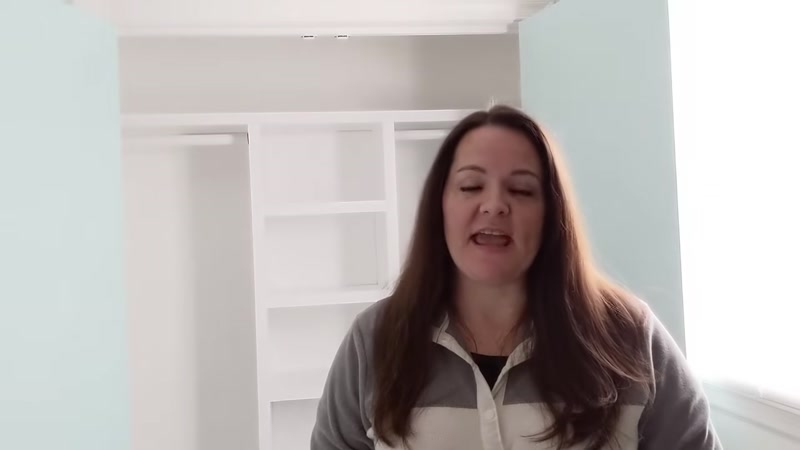
Before cutting any wood, plan your closet layout. Consider what you need to store:
- Hanging clothes (short and long)
- Folded items
- Shoes
- Accessories
Use painter's tape to mark shelf and bar positions directly on your closet walls. This helps visualize the layout and confirm measurements before cutting.
Step 2: Remove Old Shelving and Prep the Space
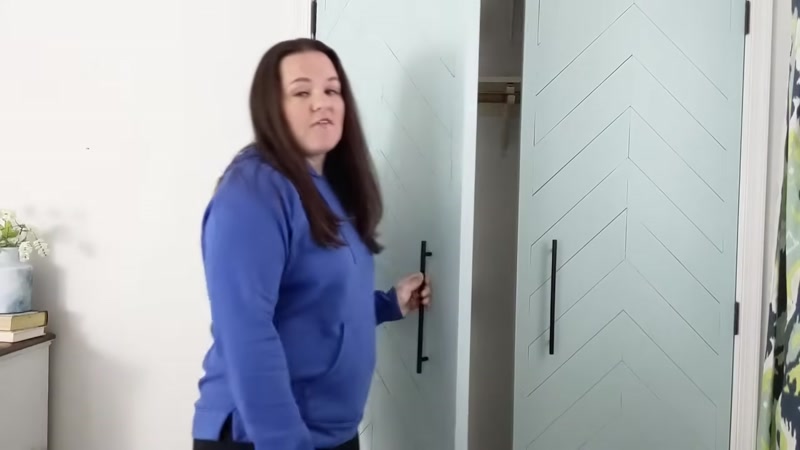
Take out all existing shelves, rods, and hardware. Patch any holes with wood filler and sand smooth. Give the closet interior a fresh coat of white paint for a clean, bright finish.
Step 3: Cut Your MDF Boards

Based on your measurements, cut the MDF boards to size:
- Vertical side boards: Measure from floor to desired top shelf height
- Shelves: Measure width of your closet minus 1.5 inches (for side boards)
- Shoe cubby shelves: Cut to fit your specific cubby dimensions
Pro tip: Cut all pieces at once to save time and ensure consistency.
Step 4: Build the Middle Shelf Section

- Lay one tall side board flat on the ground
- Use a pocket hole jig to drill holes in the bottom of each shelf board
- Attach shelves to the first side board using pocket screws and wood glue
- Lay the second side board flat, flip the shelf assembly over, and attach the remaining side
- Lift the completed middle section into place in your closet
Step 5: Install Shoe Shelves

For the shoe storage area:
- On the wall side, attach a small support board directly to the wall studs (to clear baseboards)
- Cut shelf supports from MDF scraps
- Set shelf boards on supports and secure with a nail gun
- For cubbies, add vertical dividers between shelves and nail the shelf to each divider
Step 6: Add the Top Shelf

- Cut a board to span the full width of your closet
- Attach support boards to each end wall
- Set the top shelf in place and secure with nails
Step 7: Paint the Interior

Before adding trim, paint the inside of shelves and cubbies. It's much easier to paint these areas now than after trim is installed.
Step 8: Attach Front Trim

- Cut 1x2 boards to match the width of each shelf
- Align the top of the trim with the top of the shelf board (so it doesn't block shelf space)
- Use a nail gun to attach trim to the front of each shelf
- For small shoe cubbies, use 1x1 boards instead of 1x2s
This step makes your simple MDF shelves look thick, substantial, and custom-made.
Step 9: Fill and Caulk

- Fill all nail holes with wood filler
- Caulk any gaps between trim and shelf boards
- Let everything dry completely
Step 10: Final Painting

- Sand filled areas smooth
- Apply primer if needed
- Paint all visible surfaces with a small foam roller for smooth finish
- Use an angled brush for corners and edges
- Apply 2-3 coats for best coverage
Step 11: Install Closet Bars

- Measure and mark bar height (typically 40-42 inches for short hanging, 60 inches for long)
- Install bar brackets into wall studs
- Hang closet bars
Step 12: Organize and Enjoy

Load up your new closet! Take this opportunity to declutter and donate items you no longer need.
Tips for Success
- Use MDF for straight, smooth shelves. MDF is inexpensive, doesn't warp, and takes paint beautifully. Save money by skipping expensive wood with visible grain.
- Always use a stud finder. When attaching supports to walls, make sure you're screwing into studs for proper weight support.
- Paint before adding trim. It's much easier to paint inside cubbies and shelves when you have full access.
- Choose straight trim boards. When selecting 1x2s at the store, pick through the pile for the straightest pieces to avoid warped trim.
- Take your time measuring. The old carpenter's rule "measure twice, cut once" will save you time and money.