What You'll Need
You don't need a yard or even a windowsill to grow herbs. If you're short on space but still want fresh basil for your pizza sauce or mint for your cocktails, the trick is to go vertical.
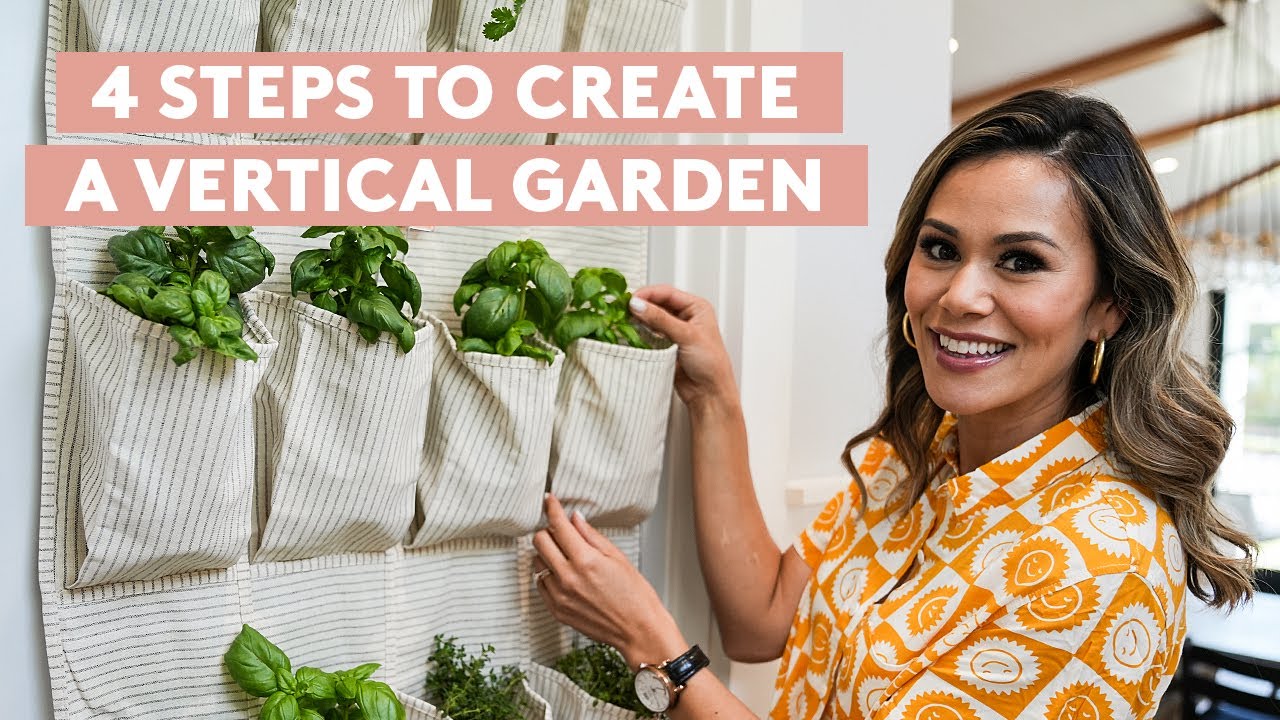
The hack? A canvas shoe organizer.
They're cheap, easy to find, and look way nicer than you'd expect once you fill them with plants. Here's how I set mine up.
- Canvas hanging shoe organizer (over-the-door style)
- Herb plants (in their nursery pots)
- Small plastic plant trays that fit the shoe pockets
- Command strips (if not using a door)
- Copper plant labels + chalk marker (optional)
- Scissors or pruning shears
For the herbs I used:
- Spearmint and sweet mint (for cocktails)
- Basil (pizza sauces, salads)
- Cilantro (taco night)
- Rosemary, oregano, thyme, lavender
Step-by-Step
1. Hang the Organizer
I hung mine on the back of my pantry door. It gets decent light and keeps everything right next to the kitchen. If you don't have a door that works, use command strips to mount it on a wall. Pick a spot that gets at least 4 hours of direct sun — basil and rosemary can handle up to 8.
2. Set Up the Pockets
Keep the herbs in the pots they came in. Then grab small plastic plant trays from a nursery — the kind that sit under pots — and stick one in each shoe pocket. This catches excess water when you water the plants. Without it, you'll have a mess.
Drop the herb pot on top of the tray. Done.
3. Arrange by Growth Habit
Don't just toss plants in randomly. Think about how they grow:
- Top row: Tall, upright herbs like rosemary.
- Middle row: Herbs that cascade and look nice spilling over — oregano and thyme work great here.
- Bottom row: Shorter, bushier plants like peppermint and basil.
This keeps everything visible and makes harvesting easier.
4. Label Everything (Optional)
I added copper labels I found online and wrote the herb names with a chalk marker. You can wipe it off and change it whenever you want. Not necessary, but it makes the whole thing look intentional.
Maintenance
Watering
Don't overwater. That's the #1 mistake. Check the soil — if it's still moist, leave it. When you do water, pull the pot out, water it, let the excess drain into the tray, then put it back. This keeps the roots from sitting in water.
Pruning
Most people prune wrong. They snip leaves from the bottom because that's where the bushy growth is. But you want to prune from the top.
Take basil for example. Find a spot on the stem just above where two leaves meet (that's the node). Cut there. This tells the plant to grow bushier instead of taller. Same rule applies to most herbs.
Harvesting
Snip what you need. Fresh herbs beat dried every time.
The Best Hack: Herb Ice Cubes
Got more basil than you can use? Here's what you do:
- Rinse the leaves and roll them up like a cigar.
- Slice them into thin strips.
- Put about a tablespoon into each compartment of an ice cube tray.
- Cover with good olive oil.
- Freeze.
Now you have herb flavor bombs. Drop one into a sauce, a skillet, or anything you're cooking. It's like having fresh basil on demand.
Why This Works
Each herb has its own pocket. You can pull out exactly what you need, set it by the stove, snip what you want, and put it back. No dragging a whole planter onto your counter. No dead herbs because you forgot to water the one you never use.
If you try this, tag me on Instagram. I want to see your setup.